Building Your Daily Framework
A well-structured routine provides direction without rigidity. The key is creating flexible frameworks that accommodate life's unpredictability while maintaining consistency in areas that matter most. Your routine should serve as a supportive structure, not a restrictive cage that adds stress to your life.
Start by identifying your non-negotiable activities and natural energy patterns. Most people experience peak mental clarity in the morning, making it ideal for focused work requiring concentration and decision-making. Energy typically dips in the early afternoon, suggesting this time for lighter tasks, collaborative work, or brief rest periods that restore vitality.
Understanding your chronotype—whether you're naturally a morning person or night owl—helps you schedule activities when you're most capable. Fighting against your natural rhythms creates unnecessary friction. Instead, design your routine to work with your biology rather than against it.
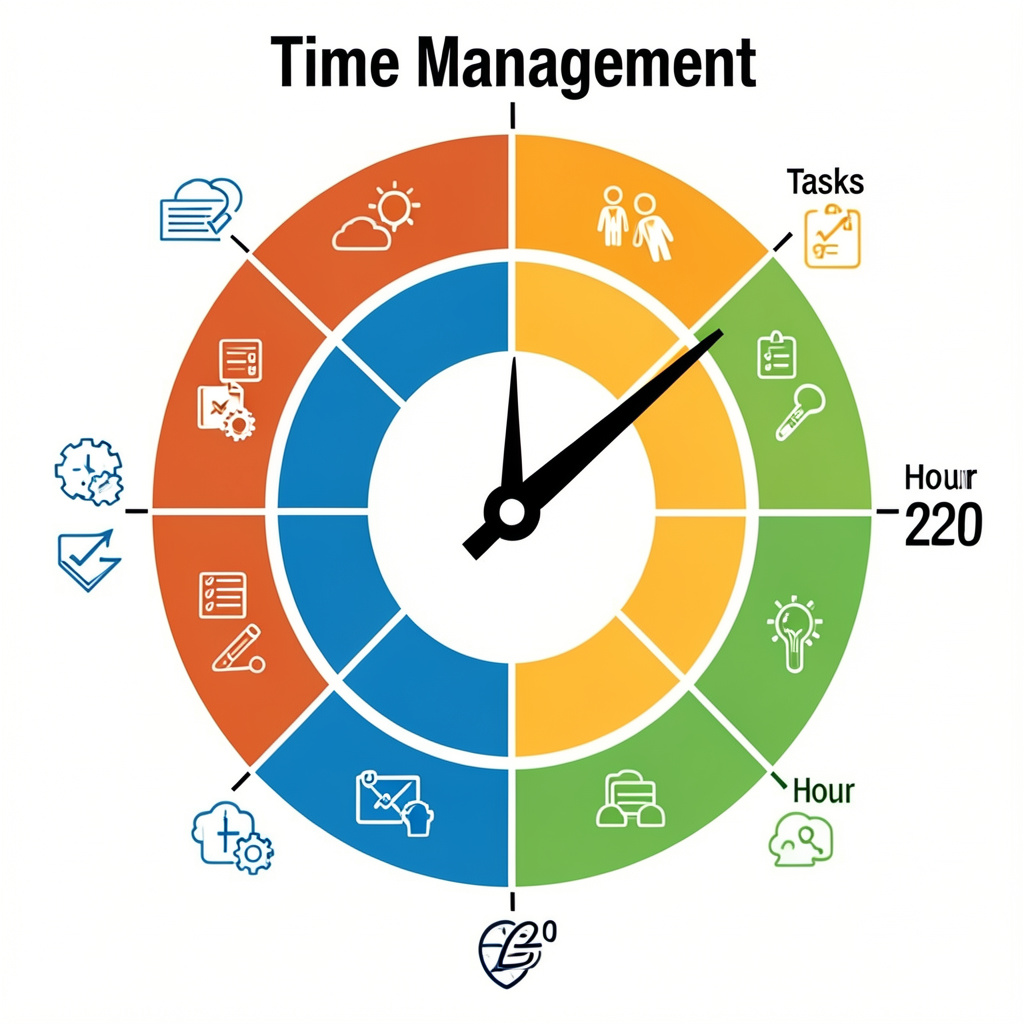
Morning Structure Elements
The first hours of your day set the tone for everything that follows. A consistent morning routine reduces decision fatigue and creates momentum that carries through the day. Consider incorporating these elements in a sequence that feels natural to you:
- Gentle physical movement to activate your body and increase blood flow
- Hydration and nourishment to fuel your brain and body
- Brief planning or intention-setting to clarify priorities
- Focused work on priority tasks during peak mental energy
- Mindful practices like meditation or journaling to center yourself
Your morning routine doesn't need to be elaborate or time-consuming. Even 15-30 minutes of intentional activity can significantly impact your day. The key is consistency—performing the same sequence daily until it becomes automatic.
Midday Transition Practices
The middle of the day often brings scattered energy and competing demands. Without intentional transitions, you may find yourself reacting to urgency rather than focusing on importance. Create deliberate breaks between morning and afternoon to reset your focus and energy:
- Step away from your workspace for a genuine break, preferably outdoors
- Engage in light physical activity like walking or stretching
- Practice a brief reset technique such as deep breathing or a short meditation
- Review and adjust afternoon priorities based on morning progress
- Eat a balanced meal away from your desk to truly disconnect
These midday practices prevent the afternoon slump and help you approach the second half of your day with renewed energy and clarity.

Evening Wind-Down Sequences
How you end your day influences both your sleep quality and next morning's start. A consistent evening routine signals to your body and mind that it's time to transition from activity to rest. Develop a shutdown sequence that creates clear boundaries:
- Set a clear work endpoint and honor it consistently
- Engage in relaxing activities that help you decompress
- Prepare for the next day to reduce morning stress
- Create a technology-free buffer before sleep to improve rest quality
- Establish a consistent bedtime to regulate your circadian rhythm
Quality sleep is foundational to everything else in your routine. Prioritizing rest isn't lazy—it's essential for sustained performance and wellbeing.